Baby Whale Letter C: A Designer’s Review
As an embroidery designer who spends countless hours digitizing and testing files, I approach every new download with a critical eye. We all know that not every machine embroidery design found online is created equal. Some are cluttered, others lack structural integrity, and many fail to translate well from screen to fabric. Recently, I came across the Baby Whale Letter C on Creative Fabrica, and I decided to put it through its paces to see if it holds up for real-world commercial use. If you are an Etsy seller, a boutique owner, or simply a crafter looking to elevate your handmade product lineup, this review breaks down what you can expect from this specific asset.
First Impressions and Visual Appeal
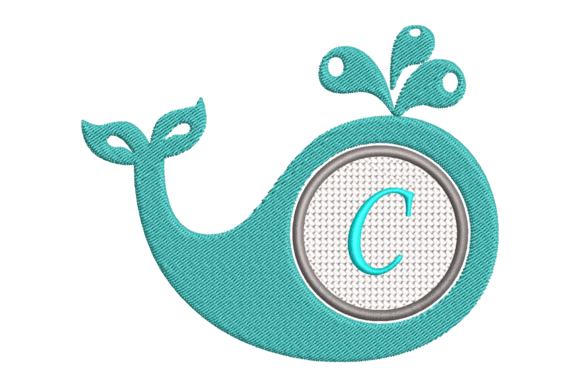
The first thing that strikes you about the Baby Whale Letter C is its gentle, whimsical mood. It is not just a letter; it is a character. The integration of the whale motif into the curvature of the letter "C" creates a cohesive visual narrative that feels intentional rather than slapped together. For projects targeting the Babies category, this softness is crucial. Harsh lines or overly complex details can sometimes look aggressive on infant items, but this design maintains a delicate balance.
The detail level appears sufficient for small-scale applications without becoming a nightmare of thread breaks. The stitching personality suggests a mix of satin stitch borders for definition and potentially fill stitch areas for body, though the exact ratio depends on the specific file version you select. This combination usually results in a textured, high-quality finish that catches the light beautifully, adding that touch of elegance mentioned in the product description. It is the kind of design that instantly signals "custom" and "care" to a potential buyer.
Performance in Real Embroidery Projects
When considering a new embroidery file, I always ask: where does this actually live? The Baby Whale Letter C is versatile, but it shines brightest in specific niches. Here is how I envision it performing across various mediums:
- Custom Apparel: This design is ideal for baby onesies or toddler t-shirts. The curve of the "C" fits naturally on the chest area. However, when working with stretchy fabrics like jersey knits, proper stabilization is non-negotiable to prevent puckering.
- Tote Bag Design: Canvas totes are a staple for handmade shops. Embroidering this letter onto a neutral canvas bag creates a charming, personalized gift option. The contrast between the thread colors and the natural fabric can make the whale pop effectively.
- Sweatshirt Embroidery: For cooler months, placing this on a fleece or cotton blend sweatshirt adds value. The density of the design needs to be balanced against the thickness of the fabric to ensure the hoop marks do not remain visible after washing.
- Nursery Decor: Think pillow covers or wall hangings. The whimsical nature of the whale makes it a perfect fit for a nautical-themed nursery. It transforms a standard home good into a cherished keepsake.
- Embroidered Patch: If you create patches for sale, this design could work well on twill backing. Just ensure the edges are densely stitched to prevent fraying over time.
For those of us running small businesses, the ability to offer a personalized gift is a major selling point. This design allows customers to request their child’s initial, turning a generic item into something deeply personal. This emotional connection often leads to higher customer engagement and repeat business.
Technical Considerations for Stitching
While the aesthetic is appealing, the technical execution is where many designs fail. Before loading the Baby Whale Letter C into your machine for a paid order, there are several practical factors to consider. Since the product description notes that this is an art form that elevates fabric, we must ensure the technical specs support that claim.
Hoop Size and Scaling: Always check the recommended hoop size provided in the file details. If you plan to scale the design down for a tiny baby hat or up for a large tote, be cautious. Scaling down too much can cause the satin stitches to merge, losing the definition of the whale’s features. Scaling up too much might expose the underlying zig-zag pattern of the satin stitch, which looks unprofessional.
Fabric and Stabilizer Choice: This design likely performs best on stable, woven fabrics like cotton or linen. If you are stitching on textured fabric or dark fabric, your thread choice becomes critical. High-sheen rayon or polyester threads can help the design stand out against darker backgrounds. For stretchy materials, a cut-away stabilizer is often safer than tear-away to maintain the integrity of the stitch-out after multiple washes.
Stitch Density: Without seeing the specific stitch count in the metadata, I advise checking the density preview in your embroidery software. If the design has heavy fill areas, it may pull on lightweight fabrics. In such cases, using a water-soluble topping can help keep the stitches sitting on top of the fabric rather than sinking in.
Enhancing Product Value and Brand Consistency
Using high-quality assets like the Baby Whale Letter C directly impacts your brand perception. When a customer receives a finished product with clean, crisp stitching, their trust in your brand grows. This design contributes to visual appeal by offering a unique alternative to standard block letters. It helps your shop stand out in a saturated market of generic monograms.
Furthermore, this design is excellent for creating printable mockup images for your online store. Because the shape is distinct and recognizable, it photographs well. You can showcase it on various items—aprons, kitchen towels, caps—to demonstrate versatility to your buyers. Consistent use of such charming, thematic elements helps build a cohesive brand identity, especially if you specialize in baby or children’s goods.
Final Verdict and Best Practices
Is the Baby Whale Letter C worth downloading? For designers focusing on the baby and children’s market, yes. It offers a charming, professional look that can elevate simple items into premium gifts. However, success depends on your preparation.
- Test First: Never stitch a new design on your final garment. Always run a test on scrap fabric similar to your project material.
- Check Thread Contrast: Ensure your thread colors provide enough contrast to highlight the whale details. Pastels on white may get lost; consider darker outlines or vibrant fills.
- Verify Licensing: Before selling any commercial embroidery products, confirm the license terms on the Creative Fabrica product page. Most designs allow for physical sales, but digital resale is typically prohibited.
- Inspect Details: After stitching, inspect the small details. Are the eyes of the whale clear? Is the letter shape distinct? If not, adjust your tension or needle size.
In conclusion, this digital embroidery file is a strong contender for your design library. It balances charm with functionality, making it a reliable choice for Creative Fabrica embroidery enthusiasts looking to expand their product offerings. By paying attention to stabilizer choices and fabric compatibility, you can ensure that every piece you create reflects the quality and care your customers expect.