Dainty Borders: A Designer’s Review for Small Business Merch
As an embroidery designer who has spent years digitizing and testing files for commercial clients, I approach every new machine embroidery design with a critical eye. It is not just about whether a pattern looks pretty on a screen; it is about how it performs in the real world of small business merchandise. Recently, I reviewed Dainty Borders, a collection that promises versatility across various fabrics. For boutique owners, Etsy sellers, and local brands looking to elevate their branded assets, this review breaks down whether these designs deliver the professional polish required for commercial use.
First Impressions: Visual Personality and Brand Fit
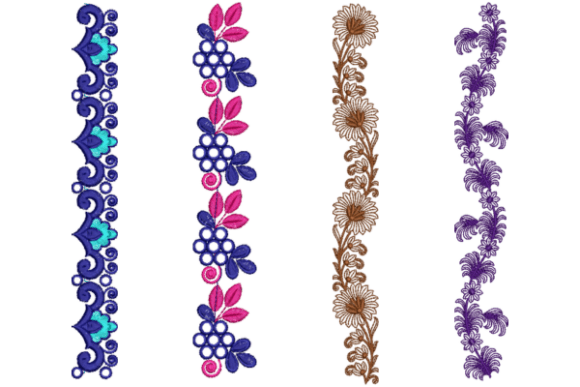
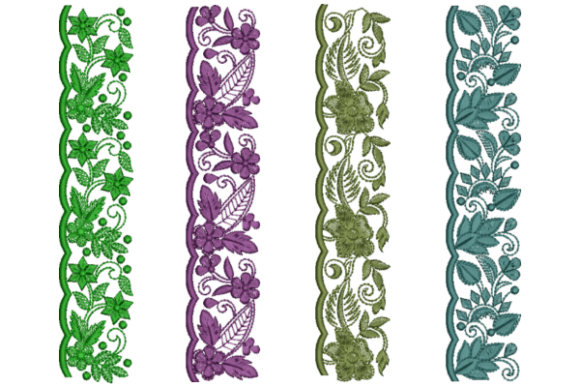
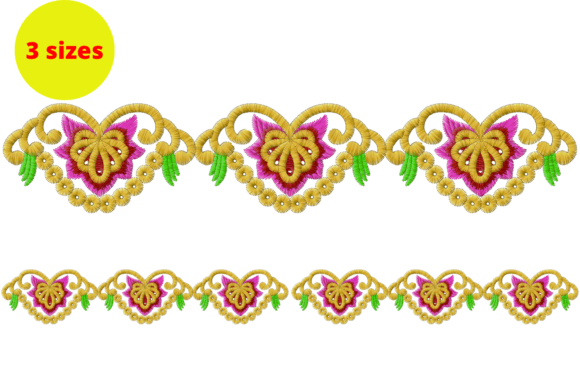
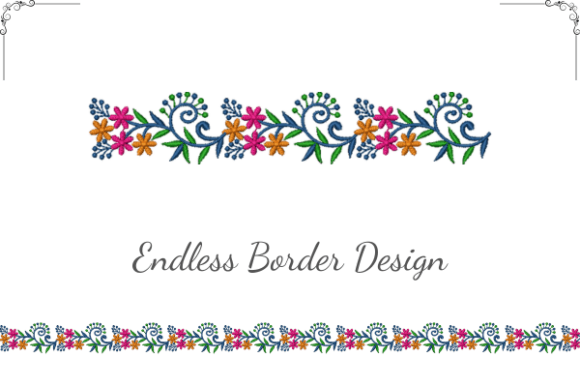
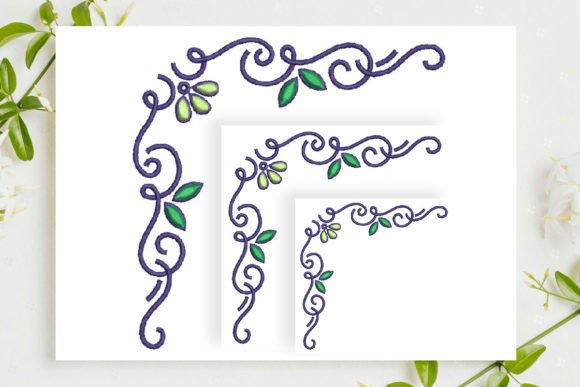
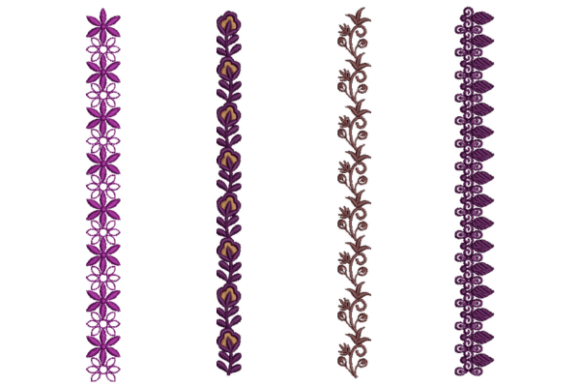
The title Dainty Borders immediately suggests a specific aesthetic: delicate, refined, and understated. In the crowded marketplace of handmade goods, visual personality is everything. Upon initial inspection, these designs feel elegant and classic rather than bold or rustic. They offer a decorative touch that leans towards the premium side of the spectrum. For a florist, a high-end bakery, or a bridal boutique, this visual language communicates care and attention to detail. However, for a rugged outdoor brand or a streetwear label, the "dainty" nature might need to be scaled up or paired with heavier fonts to maintain brand consistency.
The description notes that these wonderful designs can be beautifully embroidered on any fabric you like to work with. This claim of versatility is promising, but as professionals, we know that "any fabric" requires careful testing. The potential for a colorful look is evident, suggesting that these borders can serve as vibrant accents or subtle monochromatic frames depending on your thread choices.
Real-World Applications for Small Business Merch
Where do these borders truly shine in a commercial setting? The value of Dainty Borders lies in its adaptability as a secondary design element. Here is how I envision them working for various small business sectors:
- Embroidered Patches: These borders make excellent framing devices for circular or oval patches. Instead of a plain edge, a dainty border adds a finished, high-quality look to a logo patch, increasing the perceived value of the finished product.
- Apron Embroidery: For cafes and creative studios, staff uniforms are walking billboards. Placing a delicate border along the hem or pocket of an apron adds a touch of sophistication without overwhelming the wearer. It signals professionalism and cleanliness.
- Tote Bag Design: Canvas totes are staples for bookstores and markets. A border embroidered near the bottom edge or around a central logo creates a structured, intentional look. It transforms a basic bag into a curated accessory.
- Cap Embroidery: While cap space is limited, a thin dainty border can work well on the side panels or as a subtle accent above the brim. However, caution is needed regarding curvature, which I will address later.
- Product Packaging Accents: Imagine a linen drawstring bag for jewelry or soaps. A small embroidered border on the corner of the packaging elevates the unboxing experience, reinforcing brand identity before the customer even sees the item inside.
Navigating Technical Challenges and Fabric Constraints
While the aesthetic appeal is strong, practical application requires technical diligence. The description mentions adding these lovely embroideries to pillows, towels, apparel, or home decor. Each of these substrates presents unique challenges for an embroidery file.
Stitch Density and Fabric Texture: Dainty designs often rely on fine lines. If the stitch density is too high for a lightweight fabric like silk or thin cotton, you risk puckering. Conversely, on textured fabrics like terry cloth towels, fine details can get lost. I strongly advise testing on the exact fabric weight you intend to use. For towels, a higher density or satin stitch variation might be necessary to ensure visibility.
Curved Surfaces and Hoop Size: When applying these borders to caps or curved sleeves, the geometry of the design matters. A straight border will distort on a curved surface. You must check if the design is digitized with pull compensation in mind. Additionally, confirm the hoop size requirements. Some borders may require re-hooping for long runs, which increases production time and the risk of misalignment.
Washability and Durability: For items like staff uniforms or kitchen towels that undergo frequent washing, the integrity of the thread is crucial. Ensure you use high-quality rayon or polyester threads that resist fading. A dainty design with loose stitching may unravel faster than a denser logo under industrial laundering conditions.
Enhancing Brand Identity and Customer Trust
In the realm of small business merch, consistency builds trust. Dainty Borders can serve as a unifying visual thread across different product lines. Using the same border style on your business cards (as a printed element), your website (as a graphic), and your physical products (as embroidery) creates a cohesive brand identity. This visual consistency signals to customers that you are an established, professional entity.
Furthermore, handmade products thrive on perceived value. A simple t-shirt becomes a premium garment when accented with a carefully placed embroidered border. It suggests that extra time and craft went into the creation, justifying a higher price point. For Etsy sellers, this differentiation is key to standing out in a saturated market.
Practical Designer Notes for Production
Before you commit to a large production run of custom apparel or promotional items, follow these steps to ensure success with this digital embroidery file:
- Test in Black and White First: Remove color from the equation to evaluate the design's structure. If the border lacks definition in monochrome, it may not read well from a distance.
- Check Scalability: Resize the design to your intended patch size. Does it hold its shape? Do the lines become too thin to stitch reliably? Always respect the minimum stitch length of your machine.
- Review Thread Color Contrast: Since the description highlights a "colorful look," experiment with contrasting threads against dark uniforms or complementary tones on light fabrics. High contrast ensures visibility; low contrast offers subtlety.
- Use Proper Stabilizer: For dainty designs, cut-away stabilizer is often safer than tear-away, especially on stretchy fabrics, to prevent distortion over time.
- Create a Printable Mockup: Before stitching, place the design on a digital mockup of your product. This helps visualize spacing and proportion, saving time and materials.
- Confirm Commercial Licensing: The description does not explicitly state license terms. Always verify with the seller that the file includes a commercial license for selling physical goods. Never assume a standard download permits resale.
Final Verdict for Merch Creators
Dainty Borders is a versatile addition to your library of design assets. It excels in contexts where elegance and refinement are paramount. While it may not be the best choice for bold, high-impact logos on rugged gear, it is ideal for lifestyle brands, boutiques, and hospitality businesses aiming for a polished, welcoming aesthetic. By respecting the technical limitations of fabric and stitch density, you can leverage these borders to create memorable, high-value merchandise that strengthens your brand presence. Always prioritize testing on real fabric to ensure the final result matches your professional standards.