Fly Agaric and Snail: A Designer’s Review
As an embroidery designer who has spent years digitizing for boutique brands, I approach every new machine embroidery design with a critical eye. It is not just about whether the image looks cute on a screen; it is about how those stitches will behave on fabric, how they hold up after washing, and whether they elevate the perceived value of the garment. Recently, I had the opportunity to review Fly Agaric and Snail, a charming piece from the Forest category, intended for a limited-edition sweatshirt drop for a small online shop. Here is my professional assessment of how this design performs in a real-world commercial setting.
First Impressions: Mood and Aesthetic Appeal
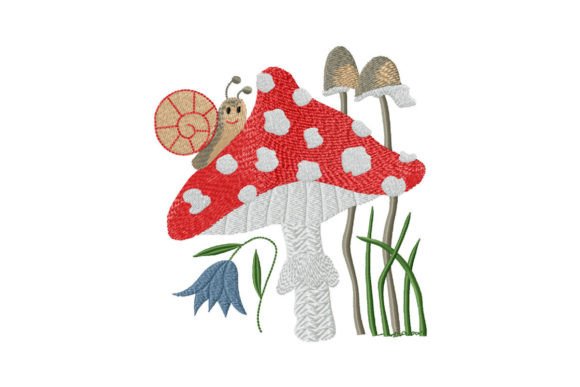
The moment I loaded the preview for Fly Agaric and Snail, the whimsical nature of the artwork stood out. The composition features a classic amanita mushroom paired with a baby snail, accompanied by delicate bluebells and twin grebes. This is not merely a static image; it tells a mini narrative of forest friendship. For a boutique brand targeting customers who appreciate cottagecore aesthetics or gentle, story-driven apparel, this design hits the mark perfectly. It feels playful yet rustic, striking a balance between childish charm and sophisticated illustration.
The layout appears well-balanced, with the verticality of the mushroom providing a strong anchor while the curving lines of the snail and flowers add movement. In terms of stitching personality, the design suggests a mix of satin stitches for the smooth surfaces of the mushroom cap and fill stitches for the textured elements. This variety is crucial for creating visual interest in a finished product. When I imagine this embroidered on a neutral oatmeal or cream-colored sweatshirt, the reds of the agaric and the soft blues of the flowers pop beautifully against the background, creating a focal point that draws the eye immediately.
Placement Strategy for Sweatshirts and Hoodies
Choosing the right placement is half the battle in sweatshirt embroidery. For Fly Agaric and Snail, I see three distinct opportunities that could maximize sales for an Etsy seller or small shop owner.
- Left Chest Placement: This is the most traditional and premium look. A smaller version of the design sits neatly over the heart. It feels understated and high-end, perfect for customers who want a subtle nod to their love of nature without being overly loud. This placement works exceptionally well on oversized hoodies where the chest area provides a flat, stable canvas.
- Center Back Design: Because the design includes multiple elements—the mushroom, snail, bluebell, and grebes—it has enough complexity to sustain a larger scale. Placing a enlarged version on the back of a heavy-weight hoodie creates a statement piece. This appeals to the younger demographic looking for bold, graphic streetwear with a soft, fairy-tale twist.
- Sleeve Accents: Isolating just the baby snail or the bluebell for a sleeve cuff embroidery adds a delightful surprise element. This technique is increasingly popular in custom apparel branding, as it shows attention to detail and encourages the wearer to look closer at the garment.
When planning these placements, always consider the hoop size limitations of your machine. While the specific hoop requirements are not listed in the brief description, standard designs of this complexity usually fit within a 4x4 or 5x7 inch hoop. Always verify the dimensions in the digital embroidery file metadata before purchasing to ensure it fits your equipment.
Technical Considerations for Production
From a technical standpoint, producing Fly Agaric and Snail requires careful attention to material choices. Sweatshirts and hoodies are typically made from French terry or fleece, which have a distinct fabric texture and thickness. To prevent puckering—a common issue in commercial embroidery—using the correct stabilizer is non-negotiable. I recommend a medium-weight cut-away stabilizer for best results, as it provides permanent support for the stitches against the stretch of the knit fabric.
Thread colors play a pivotal role in the readability of this design. The contrast between the bright red of the fly agaric and the green of the forest floor elements must be sharp. If you are embroidering on dark fabrics, such as charcoal or navy, you may need to adjust the underlay or use a lighter base thread to ensure the colors remain vibrant. On pastel colors, the design will feel softer and more feminine, appealing to a different segment of your customer base.
Another concern is stitch density. If the digitizing is too dense, the fabric may pucker or become stiff. If it is too loose, the underlying fabric might show through, ruining the clean look. Since exact stitch counts are not provided in the product description, I advise ordering a test sample or checking user reviews for insights on density. A well-digitized design should lie flat and feel soft to the touch, maintaining the cozy appeal of the sweatshirt.
Enhancing Brand Identity and Value
Incorporating unique designs like Fly Agaric and Snail into your collection does more than just decorate a garment; it builds brand identity. For a boutique brand, consistency in aesthetic is key. This design, with its forest fairy tale vibe, helps establish a narrative of warmth, nature, and whimsy. Customers are not just buying a sweatshirt; they are buying into a lifestyle. This emotional connection increases buyer trust and encourages repeat purchases.
Furthermore, high-quality embroidery significantly boosts the perceived value of a handmade product. Unlike printed graphics, which can crack or fade, embroidered designs offer texture and durability. This tactile quality justifies a higher price point. When you showcase this design in printable mockup previews or lifestyle product photography, highlight the texture of the threads. Close-up shots that show the sheen of the satin stitches on the mushroom cap can dramatically increase conversion rates on platforms like Etsy.
Marketing and Commercial Viability
For small shop product launches, timing is everything. This design is particularly suited for autumn and winter collections, aligning with the cozy seasonal apparel trend. However, its whimsical nature also makes it relevant for spring, thanks to the bluebells and snails emerging from hibernation. This versatility extends the selling window of the design assets.
When listing this item, use keywords that reflect both the visual and emotional aspects of the design. Terms like "cottagecore embroidery," "forest friend hoodie," and "whimsical mushroom art" can help attract niche audiences. Remember to clarify any license terms associated with the embroidery file. Most digital files come with specific usage rights for commercial production, but it is essential to read the fine print to ensure compliance, especially if you plan to produce large batches.
Final Verdict
Fly Agaric and Snail is a strong contender for any embroidery designer looking to expand their Forest themed portfolio. It offers a blend of cuteness and sophistication that appeals to a wide range of consumers. With proper attention to stabilizer choice, thread contrast, and placement, this design can become a staple in your custom apparel lineup. It is not just a pretty picture; it is a viable commercial asset that, when executed well, can drive engagement and sales for your creative business. Always remember to check the specific technical details of the file before production, but rest assured that the artistic merit of this piece is undeniable.