Happy Girl Cooking: A Designer’s Review
As an embroidery designer who has spent years digitizing patterns and stitching out thousands of designs, I approach every new machine embroidery design with a critical eye. We are not just looking for cute images; we are looking for stitch quality, emotional resonance, and commercial viability. When I first encountered Happy Girl Cooking on Creative Fabrica, I was immediately drawn to its narrative potential. In a market saturated with generic motifs, finding a design that tells a story while maintaining technical integrity is rare. This review explores how this specific embroidery file performs in real-world applications, from baby showers to high-end home decor.
The Visual Appeal and Emotional Connection
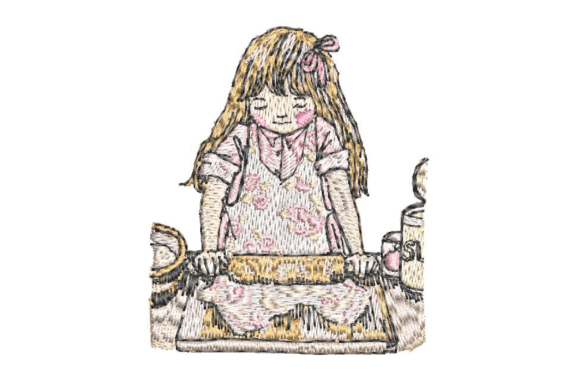
The first thing you notice about Happy Girl Cooking is its warmth. It does not scream for attention with neon colors or aggressive lines. Instead, it invites the viewer in with a sense of cozy domesticity. The design features a girl happily engaged in the act of cooking, a theme that transcends age and occasion. For those of us in the Sewing and Embroidery community, we know that the best sellers are often those that evoke a feeling of nostalgia or comfort.
The visual softness of the design is its strongest asset. The lines appear clean yet organic, avoiding the rigid, plastic look that plagues lower-quality digital files. This charm is essential when creating a personalized gift. Whether you are stitching this onto a kitchen towel for a newlywed couple or a onesie for a baby shower, the design carries an inherent sweetness. It feels playful without being childish, making it versatile enough for both nursery decor and adult home accents. The emotional value here is high; it speaks to the joy of creating food and sharing meals, a universal language of love.
Versatility in Handmade Products
One of the primary concerns for any Etsy seller or small business owner is versatility. Can this design work across multiple product lines? In my assessment, Happy Girl Cooking is exceptionally adaptable. Here is how I envision this design functioning in various handmade product categories:
- Kitchen Linens: This is the most obvious application. An embroidered towel featuring this design makes for a thoughtful housewarming present. The imagery aligns perfectly with the function of the item, creating a cohesive aesthetic.
- Aprons and Tote Bags: For the crafty individual, an apron embroidered with this motif becomes a uniform of pride. Similarly, a canvas tote bag with this design appeals to teachers, home cooks, and market shoppers alike.
- Baby and Nursery Items: While the theme is cooking, the character style is gentle enough for baby embroidery. Imagine this stitched onto a burp cloth or a bib for a family that loves to cook together. It adds a layer of personality to standard baby gear.
- Pillow Covers and Blankets: For a more substantial gift, consider blanket embroidery or a decorative pillow cover. The design can serve as a focal point on a neutral linen pillow, adding a touch of whimsy to a living room or kitchen nook.
This adaptability means you can create a entire collection around this single digital embroidery file, maximizing your return on investment. It allows for consistent branding across different small shop products, which is crucial for building customer recognition.
Technical Considerations for Stitching
While the aesthetic is charming, the technical execution is where a design lives or dies. As a designer, I must warn you to pay close attention to the practical aspects of stitching Happy Girl Cooking. Since the original product description highlights "crafty charm," we can infer a certain level of detail. However, details can be tricky depending on your substrate.
Fabric Texture and Stabilizer Choice
If you are stitching on textured towels, the fine details of the girl’s face or cooking utensils might get lost in the loops of the terry cloth. In such cases, I recommend using a cut-away stabilizer to provide maximum support and prevent puckering. For smoother fabrics like cotton aprons or pillowcases, a tear-away stabilizer may suffice, but always test first. The key is ensuring that the stitch density of the design complements the fabric weight. If the design is too dense for a lightweight fabric, it will cause pulling; if it is too sparse for a heavy blanket, it may look insubstantial.
Thread Colors and Contrast
The success of this design also hinges on your choice of thread colors. Because the theme is warm and inviting, earth tones, pastels, or classic primary colors could work well. However, avoid using thread colors that blend too closely with your background fabric. High contrast ensures that the "happy" expression of the girl remains visible from a distance. If you are stitching on dark fabric, ensure your design includes satin stitches or underlay techniques that pop against the background, or consider using lighter thread shades to maintain visibility.
Hoop Size and Placement
Before you begin, confirm the recommended hoop size for this specific file. Placing a design that is too large for your hoop can lead to misalignment, while stitching a small design in a large hoop can cause fabric shifting. Always center your design carefully, especially if you are adding personalized text below or above the image. Speaking of text, if the design includes small lettering, be cautious. Small text can become illegible if the stitch count is too low or if the fabric texture is too rough.
Commercial Value and Customer Trust
For those engaging in commercial embroidery, the perceived quality of your finished product directly impacts customer trust. A well-stitched Happy Girl Cooking design signals professionalism. It shows that you care about detail, from the tension of the threads to the cleanliness of the backing. This attention to detail enhances the giftability of the item. When a customer receives a beautifully embroidered apron or towel, they are not just buying a product; they are buying an experience.
Furthermore, this design lends itself well to product photography. The narrative element—the girl cooking—provides a natural context for staging photos. You can photograph the embroidered item alongside wooden spoons, fresh ingredients, or a rustic kitchen backdrop. These lifestyle images perform exceptionally well on social media and Etsy listings, driving higher buyer engagement. Using a printable mockup can also help you visualize how the design will look on different products before you commit to stitching, saving time and materials.
Final Recommendations for Crafters
To get the best results with Happy Girl Cooking, I advise following a strict quality control process. First, always create a test stitch-out on a scrap piece of the same fabric you intend to use for the final product. This allows you to check for any thread breaks, nesting, or registration issues. Second, review the product details and licensing terms on Creative Fabrica. Ensure that your intended use—whether for personal gifts or commercial sales—aligns with the license provided. Most Creative Fabrica designs offer generous commercial licenses, but it is always wise to double-check.
In conclusion, Happy Girl Cooking is a delightful addition to any embroiderer’s library. It balances emotional appeal with practical application, making it suitable for a wide range of projects from wedding gifts to everyday home decor. By paying attention to stabilizer choice, thread contrast, and fabric texture, you can transform this digital file into a cherished heirloom. For the modern maker, it represents an opportunity to create meaningful, high-quality items that resonate with customers on a personal level. Happy stitching!