Reviewing 365 Black History for Boutique Sweatshirts
As an embroidery designer who has spent years digitizing and testing patterns for small clothing brands, I approach every new machine embroidery design with a critical eye. It is not just about whether the file runs smoothly on the machine; it is about how the final stitched piece elevates the garment. Recently, I had the opportunity to test 365 Black History for a limited-edition sweatshirt drop for a client’s boutique brand. This project required a balance of cultural pride, aesthetic appeal, and commercial durability. Here is my professional evaluation of how this design performs in a real-world production setting.
First Impressions and Design Aesthetic
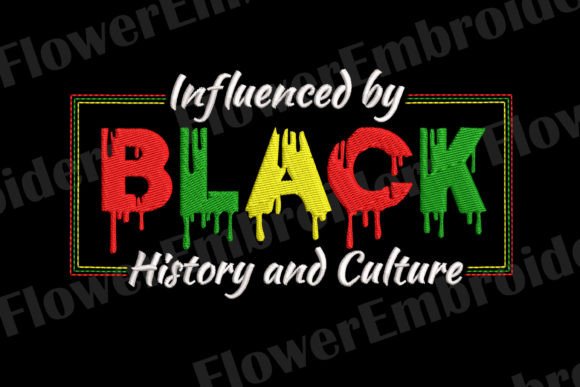
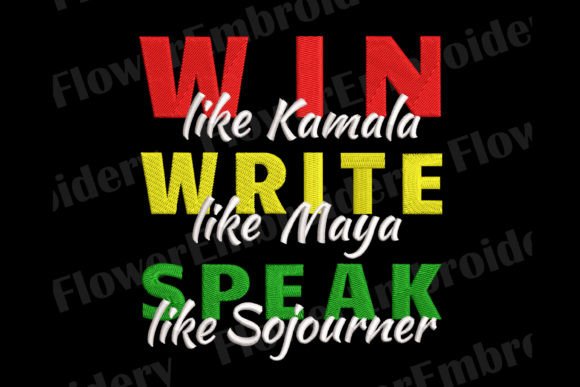
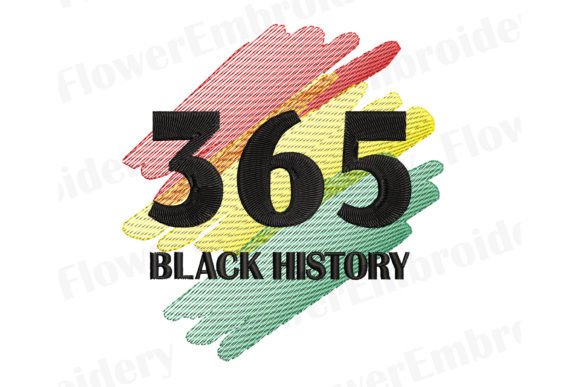
The moment I loaded the digital embroidery file into my software, the layout of 365 Black History struck me as purposeful and bold. In the realm of Awareness themed apparel, there is often a temptation to over-complicate the message with excessive graphics. However, this design leans into a cleaner, more impactful style that reads well on modern streetwear. The mood is empowering yet accessible, making it suitable for a wide demographic ranging from students to professionals who want to wear their values.
When considering the stitching personality, the design feels premium rather than novelty. It avoids the cluttered look that can sometimes plague awareness campaigns, opting instead for clear lines and strong visual hierarchy. For a boutique brand, this distinction is crucial. You are not just selling a shirt; you are selling a statement piece that customers will want to wear repeatedly. The design translates beautifully into Embroidery, offering a tactile depth that printed graphics simply cannot achieve.
Performance on Sweatshirts and Hoodies
The primary application for this review was a premium heavyweight cotton sweatshirt. Sweatshirt embroidery presents unique challenges due to the thickness of the fabric and the presence of seams. I tested 365 Black History on neutral tones like oatmeal, charcoal, and deep navy. On lighter fabrics, the contrast of the thread colors popped effectively, creating a crisp, high-end look. On darker fabrics, I adjusted the thread palette to include metallic or brighter accent colors to ensure readability without losing the sophisticated vibe.
For oversized hoodies, the design scales remarkably well. I placed it on the left chest for a subtle, classic look, and also experimented with a larger placement on the back. The stitch density appeared balanced; it was substantial enough to stand out against the fuzzy texture of the fleece but not so dense that it caused puckering or stiffness. This is a common concern with hoodie design projects, but this file handled the fabric texture with grace. The result was a soft hand-feel that maintained the cozy nature of the garment while adding a decorative focal point.
Versatility Across Apparel Types
Beyond sweatshirts, the versatility of 365 Black History makes it a valuable asset for any Etsy seller or small shop product line. I envision this design working exceptionally well on:
- Tote Bags: The sturdy canvas provides an excellent base for the stitches, making it a durable everyday accessory.
- T-Shirts: When used on thinner fabrics, proper stabilizer choice is key to preventing distortion, but the design remains legible and stylish.
- Caps and Beanies: For a smaller hoop size adaptation, the core elements of the design retain their impact, offering a cute and minimal accent.
This adaptability allows creative entrepreneurs to expand their custom apparel offerings without needing to purchase multiple niche designs. It serves as a cohesive element across a entire seasonal collection.
Technical Considerations for Production
From a technical standpoint, preparing 365 Black History for production required attention to detail. One of the most important aspects of successful commercial embroidery is the choice of stabilizer. Given the stretch and weight of sweatshirt materials, I recommended using a cut-away stabilizer for maximum durability. This ensures that the design maintains its shape through repeated washing and wearing, which is essential for building buyer trust.
Another critical factor is the hoop size compatibility. The description notes that the design comes with multiple embroidery file formats, which is a significant advantage. However, designers must always verify the specific dimensions against their machine’s capabilities before starting a batch run. I also paid close attention to thread color contrast. While the design is strong, selecting the right thread shades can transform it from a standard logo into a piece of art. For a rustic or vintage feel, matte threads worked beautifully, whereas rayon threads added a playful sheen for a more vibrant look.
It is important to note that while the description mentions multiple file formats, users should always check the specific inclusions such as exact stitch count and recommended hoop sizes before production. Ensuring you have the correct format for your specific machine model prevents costly errors during a large order fulfillment.
Enhancing Brand Identity and Value
Incorporating 365 Black History into a product line does more than just decorate a garment; it enhances the perceived value of the handmade product. Embroidery is associated with quality and longevity. When customers see the raised texture of the stitches, they perceive the item as higher quality than a screen-printed alternative. This perception allows boutique brands to command a higher price point, justified by the labor and skill involved in the creation process.
For online sellers, the visual appeal of embroidered items is a powerful marketing tool. A well-lit printable mockup or high-resolution photo of the finished product can significantly boost customer engagement. The shadows and highlights created by the threads add depth to product photography, making listings stand out in crowded marketplaces. This design, with its clean lines and meaningful message, photographs exceptionally well, helping to build a strong visual recognition for the brand.
Final Verdict for Creative Entrepreneurs
After thorough testing, I confidently recommend 365 Black History for designers looking to add meaningful, high-quality pieces to their inventory. It bridges the gap between activist messaging and fashionable apparel. The design is robust enough for daily wear, flexible enough for various garments, and aesthetically pleasing enough to attract a broad audience.
For those running a small clothing brand, this design offers a turnkey solution for creating standout items. Whether you are focusing on Awareness campaigns or simply expanding your design assets for everyday wear, this file delivers. Just remember to test your tension settings, choose the right stabilizer for your fabric, and select thread colors that align with your brand’s identity. With these steps, 365 Black History can become a bestseller in your shop, contributing to both your commercial success and your community impact.
By integrating this design into your workflow, you are not just selling clothes; you are crafting wearable art that resonates. It is a testament to the power of thoughtful Embroidery in modern fashion. Ensure you review all file details provided in the download package to maximize your production efficiency and deliver a flawless finished product to your customers.