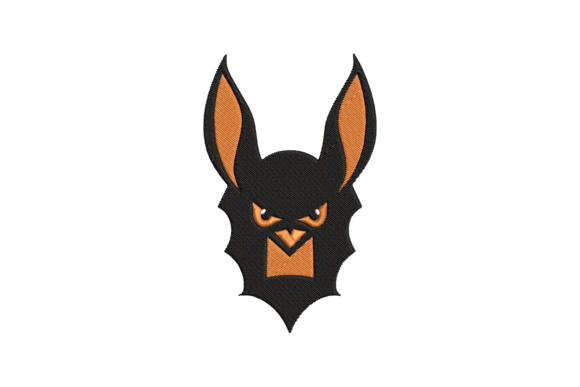
Bat Head Embroidery Design Review for Small Business Merch
As an embroidery designer who has spent years digitizing and testing files for commercial use, I approach every new machine embroidery design with a critical eye. It is not just about whether the image looks cute on a screen; it is about how that design performs under the needle, how it holds up after washing, and most importantly, how it serves the brand identity of the small business owner purchasing it. Recently, I reviewed the Bat Head design, categorized under Animals, to determine its viability for branded patch use and small business merchandise. This review focuses on practical application for apparel decorators, Etsy sellers, and craft entrepreneurs looking to elevate their product lines.
First Impressions: Visual Personality and Brand Fit
The product description states that this embroidery is an art form that can elevate any fabric, adding a touch of elegance and charm. From a designer’s perspective, the Bat Head motif offers a unique juxtaposition. While bats are often associated with Halloween or gothic aesthetics, the description suggests a "delightful" and "eye-catching" result. This implies a stylized approach rather than a hyper-realistic or scary one. For a small business, this versatility is key. The design feels modern yet classic, capable of leaning playful for a children’s boutique or elegant for a niche lifestyle brand.
When evaluating the visual weight of the Bat Head, I look for balance. A well-digitized animal head should have clear focal points, usually the eyes or the outline of the ears. If the design relies too heavily on fine details, it risks losing definition when scaled down. However, if the digitization prioritizes bold shapes and clean satin stitches, it becomes a powerful tool for brand recognition. The charm mentioned in the description likely comes from soft curves and approachable features, making it suitable for brands that want to appear friendly and accessible rather than aggressive or overly corporate.
Real-World Applications for Small Business Merch
The true test of any digital embroidery file is its performance across various substrates. Here is how I envision the Bat Head working in real commercial embroidery scenarios:
- Embroidered Patches: This is perhaps the strongest use case. A bat head shape is naturally contained, making it ideal for die-cut or merrowed edge patches. These can be sold as standalone accessories or applied to jackets and bags. For a handmade product line, offering custom patches increases average order value significantly.
- Cap Embroidery: Placing the design on the front panel of a baseball cap requires careful attention to stitch density. The curved surface of a cap can distort wide designs. If the Bat Head is relatively narrow or symmetrical, it will sit well on a structured cap. It serves as a subtle yet distinct logo accent for creative studios or local cafes with a quirky brand voice.
- Apron Embroidery: For bakeries, florists, or craft workshops, branded aprons are essential. Embroidering the bat head on the chest pocket or the upper left chest adds a professional touch. It transforms a standard uniform into a piece of custom apparel that staff members are proud to wear.
- Tote Bag Design: Canvas tote bags are a staple for Etsy sellers and boutique retailers. The Bat Head can serve as a central graphic element. Because canvas has a visible weave, the design needs sufficient stitch coverage to prevent the fabric from showing through, ensuring the finished product looks premium.
- Product Packaging Accents: Small businesses often overlook packaging. A small embroidered tag featuring the bat head can be sewn onto clothing labels or attached to gift bags, enhancing the unboxing experience and reinforcing brand identity.
Technical Considerations and Production Challenges
While the aesthetic appeal is important, technical execution determines whether a design is a profit generator or a headache. When working with the Bat Head, there are several factors to monitor before running a full production batch.
Stitch Density and Fabric Texture: The description mentions elegance, which might imply finer details. However, high stitch density on lightweight fabrics can cause puckering. If you are embroidering on thin cotton or polyester blends for work shirts, you must use the correct stabilizer. A cut-away stabilizer is often safer for garments that will undergo frequent washing, while tear-away may suffice for decorative items like tote bags that see less stress.
Scale and Legibility: One common mistake is shrinking a design too much. If you intend to use the Bat Head as a small chest logo, ensure that the internal details do not merge. Thread has thickness; if two lines of stitching are too close, they will touch and create a blob of thread rather than a defined shape. Always test the design at the smallest intended size on a scrap piece of the actual fabric you plan to use.
Thread Color Contrast: The impact of the design relies heavily on color choice. On dark uniforms, such as navy or black aprons, using lighter thread colors like white, silver, or pastel shades will make the bat head pop. Conversely, on light fabrics, deep purples, blacks, or charcoal grays provide strong contrast. Avoid low-contrast combinations unless you are aiming for a subtle, tonal look, which may not be visible from a distance.
Enhancing Brand Identity and Customer Trust
Consistency is the cornerstone of professional branding. Using a distinctive motif like the Bat Head across all customer touchpoints builds recognition. When a customer sees the same embroidered design on your website, your packaging, and the shirt you are wearing at a market, it signals professionalism. It tells the buyer that you are an established entity, not just a casual hobbyist.
Furthermore, high-quality embroidery adds perceived value. A plain t-shirt might sell for $15, but the same shirt with a well-executed, durable embroidered design can sell for $30 or more. The tactile nature of embroidery appeals to consumers looking for quality and longevity. By integrating this design into your design assets, you differentiate your brand from competitors who rely solely on printed graphics, which can crack or fade over time.
Practical Designer Notes for Implementation
Before you commit to using the Bat Head for commercial purposes, follow these steps to ensure success:
- Create a Printable Mockup: Use digital tools to place the design on various products. This helps you visualize scale and placement before stitching a single thread. Share these mockups with clients for approval if you are doing custom work.
- Test on Real Fabric: Screen images can be deceiving. Stitch out the design on the exact material you plan to sell. Check for pull, pucker, or thread breaks.
- Verify Commercial Licensing: The product description does not explicitly state license terms. Always confirm with the seller that the embroidery file includes a commercial use license. Using a design without proper rights can lead to legal issues for your small business.
- Check Hoop Size Compatibility: Ensure the design fits within your machine’s hoop capabilities. If the design is large, you may need a larger hoop or a multi-positioning strategy, which increases production time.
- Evaluate Black and White Performance: Test the design in monochrome. If it loses its shape or clarity without color, it may rely too heavily on color blocking rather than solid digitizing structure. A robust design should hold up even in single-color applications.
In conclusion, the Bat Head embroidery design offers significant potential for small business owners looking to add character and professionalism to their merchandise. Whether used for patches, caps, or aprons, its success depends on thoughtful application and technical precision. By understanding the interplay between stitch density, fabric texture, and brand identity, you can leverage this design to create high-value, memorable products that resonate with your customers. Always prioritize quality control and licensing compliance to protect your business and maintain your reputation in the competitive world of custom apparel and handmade goods.