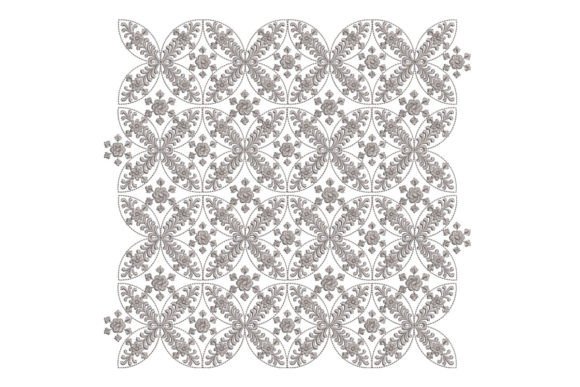
Cushion Design: A Designer’s Review for Craft Fair Success
As an embroidery designer who has spent countless weekends behind a craft fair table, I have learned that not every machine embroidery design is created equal. Some designs are beautiful on a screen but fail to capture attention in a bustling market environment. Others are technically complex but impractical for batch production. Today, I am reviewing the Cushion Design, a floral border pattern that promises to add elegance and freshness to fabric products. My goal is to evaluate this design not just as art, but as a viable craft fair product for handmade shop owners, Etsy sellers, and creative entrepreneurs.
First Impressions: Elegance Meets Versatility
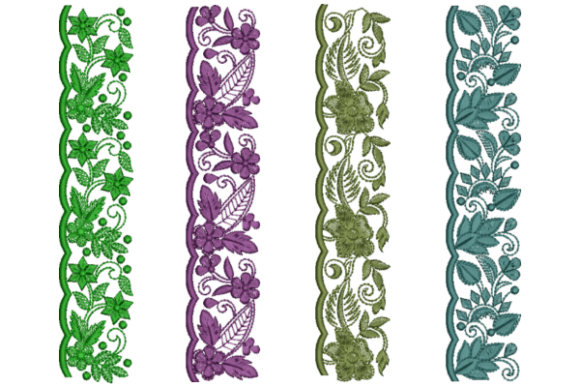
The first thing that strikes me about the Cushion Design is its inherent sense of balance. The description highlights a unique floral border, which immediately suggests a style that is both decorative and refined. In the world of Embroidery, borders are incredibly versatile because they frame a space without overwhelming it. This design feels less like a loud statement piece and more like a subtle upgrade to everyday items. It leans towards an elegant, fresh aesthetic that fits well within the popular farmhouse and modern rustic trends currently dominating the Bedroom decor market.
For a craft fair booth, visual appeal is everything. Customers walking by need to understand what they are looking at within seconds. A floral border is universally understood and appreciated. It does not require explanation. Whether displayed on a neutral linen pillow or a crisp white tea towel, the Cushion Design offers a touch of premium quality that elevates a simple handmade product into something giftable and desirable.
Product Applications Beyond the Pillow
While the title suggests this is primarily for cushions, my experience tells me that limiting a design to one product type is a missed opportunity. Let us explore where this floral border truly shines in a real-world sales scenario.
- Pillow Covers: This is the obvious choice. A border design works perfectly along the edge of a square cushion cover. It allows the center fabric to remain plain, reducing material costs while maximizing visual impact.
- Tea Towel Embroidery: Floral borders look exceptional on kitchen linens. Placing the design near the hem of a high-quality flour sack towel creates an instant bestseller. These are low-cost items with high perceived value.
- Tote Bag Design: Imagine this floral motif running along the bottom edge or the top rim of a canvas tote. It transforms a generic bag into a boutique accessory. As a tote bag design, it appeals to customers looking for eco-friendly yet stylish carryalls.
- Apron Embroidery: A border on the bib or the lower skirt of an apron adds a professional, customized touch. This is a strong seller for holiday markets and housewarming gifts.
- Embroidered Patch: If the design scales down well, it could serve as a decorative patch for denim jackets or backpacks, though careful attention to detail is required here.
By diversifying the application, you increase your chances of making a sale. A customer might not need a new pillow, but they might love the idea of an embroidered apron featuring the same elegant Cushion Design.
Production Practicality for Small Shops
For any Etsy seller or small shop owner, time is money. The viability of a digital embroidery file often comes down to how easily it can be produced in batches. Border designs are generally favorable for production because they often require less hooping maneuvering than large, central motifs. However, there are critical factors to consider before committing to a large run.
Stitch density is a primary concern. Floral designs can sometimes become too dense, leading to puckering, especially on lighter fabrics like cotton voile or thin linen. Before selling this as a commercial embroidery product, you must test the design on scrap fabric. Check if the stitches pull the fabric or if the backing shows through. If the density is high, you will need a cut-away stabilizer rather than a tear-away one to ensure longevity.
Another practical point is the hoop size. Since this is a border, ensure that the design fits within your standard hoop dimensions without requiring excessive re-hooping. Continuous borders can be tricky if they exceed the hoop width, requiring precise alignment for multiple passes. For craft fair efficiency, single-hoop designs are always preferable.
Visual Appeal and Customer Engagement
How does the Cushion Design perform in terms of marketing? In a crowded marketplace, texture and detail draw the eye. Embroidery provides a tactile experience that prints cannot match. The raised texture of the thread against the fabric texture creates a sensory engagement that encourages customers to pick up the item. Once they are holding it, they are more likely to buy it.
When photographing this design for online listings, lighting is key. Side lighting helps highlight the dimensionality of the stitches. Create at least one real printable mockup or high-quality photo showing the design on different colored fabrics. Compare how the thread colors pop against navy, cream, and sage green. This visual consistency helps build brand identity across your design assets.
Careful-Use Notes and Technical Considerations
To ensure your finished product meets professional standards, keep these technical warnings in mind:
- Fabric Choice: Avoid highly textured towels where small floral details might get lost. Smooth cottons, linens, and canvas work best.
- Scale and Clarity: If you plan to use this on smaller items like pouches or caps, verify that the tiny details of the flowers do not merge together. Designs that lose clarity at smaller sizes should be reserved for larger surfaces.
- Dark Fabrics: If embroidering on dark fabric, ensure you use underlay stitches effectively to prevent the fabric color from showing through the floral elements. You may also need to adjust thread brightness for contrast.
- Curved Surfaces: Applying a straight border to a curved cap surface requires careful placement and possibly a specialized cap frame. Test this extensively to avoid distortion.
Final Verdict for the Creative Entrepreneur
The Cushion Design is a strong contender for your next collection. Its elegance and versatility make it suitable for a wide range of small shop product lines, from home decor to wearable accessories. It addresses the desire for unique, handmade quality without being overly trendy or dated.
However, success depends on execution. Do not assume the embroidery file is perfect out of the box. Check the commercial licensing terms explicitly before selling. Confirm the recommended hoop size and stitch count provided by the designer. Test the design on various materials to determine the best stabilizer and thread combination. By treating this design with the rigor of a professional review, you can turn a simple digital file into a standout star at your next craft fair. Remember, the goal is not just to embroider, but to create products that speak to the customer’s desire for beauty and craftsmanship in their daily lives.