Simple Sakura Flower: A Designer’s Craft Fair Review
As an embroidery designer who has spent countless weekends behind a craft fair table, I know that the difference between a browser and a buyer often comes down to visual clarity and emotional connection. When I first loaded the Simple Sakura Flower into my digitizing software, my immediate reaction was one of relief. In a market saturated with overly complex, dense designs, this piece stands out for its restraint. It is not trying to be everything to everyone; instead, it offers a clean, elegant aesthetic that speaks directly to the spring and summer shopper. For those of us running small shop products or Etsy stores, finding a design that balances speed of production with high perceived value is the holy grail.
First Impressions: Elegance Over Clutter
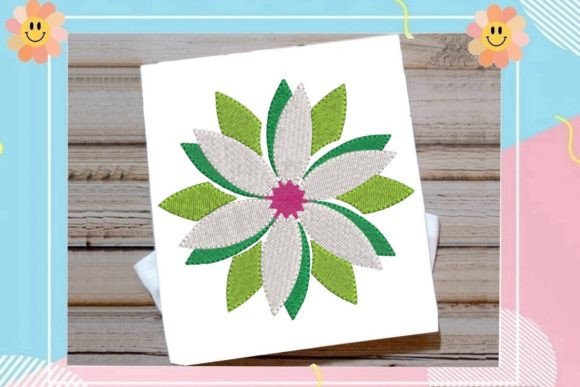
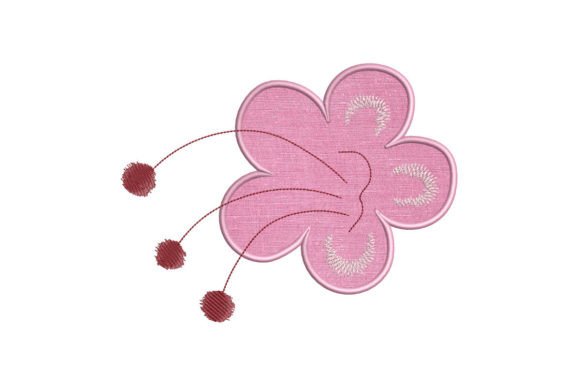
The title says it all: simple. But in the world of machine embroidery design, simplicity is difficult to execute well. This design falls firmly into the "elegant" and "soft" categories. It avoids the cartoonish look that can sometimes plague floral motifs, opting instead for a more refined silhouette. The pink hues suggested in the description evoke a sense of calm and renewal, making it an ideal candidate for embracing the spring mood. When I visualize this on a booth display, it does not scream for attention with neon brightness; rather, it draws the eye through its delicate balance. For handmade product creators, this subtlety is a strength. It allows the embroidery to complement the item rather than overpower it, which is crucial for maintaining a premium feel.
Product Versatility: Where It Shines
The true test of any digital embroidery file is its versatility across different substrates. Based on the product description, this applique is marketed for summer shopping bags, t-shirts, and skirts. From a practical standpoint, I agree with this assessment, but I would expand the list based on my experience with Single Flowers categories.
- Tote Bag Design: This is arguably the strongest application. A canvas tote provides a large, flat surface where the Simple Sakura Flower can breathe. Placing it slightly off-center creates a modern, boutique look that appeals to eco-conscious shoppers.
- Apron Embroidery: A floral accent on the bib or pocket of a linen apron transforms a utilitarian item into a giftable heirloom. The simplicity ensures it does not interfere with the apron's function.
- Tea Towel Embroidery: Kitchen textiles are huge sellers at fairs. However, caution is needed here regarding fabric texture. A smooth flour sack towel works best, while thick, textured waffle weaves might distort the fine lines of the petals.
- Embroidered Patch: If you offer custom patches, this design scales well. It retains its identity even when reduced, making it perfect for iron-on applications for jackets or denim.
For those selling commercial embroidery services, this design is a workhorse. It is quick to stitch, meaning higher turnover during busy seasons. For the Etsy seller, it photographs beautifully against white or pastel backgrounds, creating clean, clickable thumbnails for your online listings.
Production Practicalities and Careful-Use Notes
While the design is labeled "simple," no machine embroidery design is without its technical considerations. Before you commit to batch production for your next craft fair product launch, there are several factors to evaluate.
Stitch Density and Fabric Texture: Since this is an applique style, the stitch density should be lower than a full-fill design. This is excellent for lightweight fabrics like cotton voile or linen, as it prevents puckering. However, if you are stitching on a curved cap surface, you must use a strong cut-away stabilizer. The curvature of a cap can distort open areas of embroidery, so testing is non-negotiable.
Thread Colors and Contrast: The beauty of a pink sakura lies in the contrast. On a white tote, standard pink threads will pop. But if you are stitching on dark fabric, such as navy or black, you may need to adjust the thread colors or add a satin border to ensure the flower does not get lost. Always check your thread chart against your base fabric before running a full batch.
Size and Clarity: One common mistake with small shop products is shrinking a design too much. While Simple Sakura Flower is minimal, it still needs space. If you reduce it below a certain threshold, the delicate petals may merge, losing their definition. I recommend creating a printable mockup at various sizes to determine the minimum viable dimension for your specific hoop size.
Boosting Visual Appeal and Brand Consistency
In a crowded marketplace, brand consistency is key. This design fits seamlessly into a brand identity that values nature, mindfulness, and handcrafted quality. It does not look mass-produced; it looks intentional. When used as part of a cohesive collection—perhaps paired with other botanical elements or minimalist typography—it strengthens your booth display strength. Customers are more likely to engage with a display that feels curated rather than chaotic.
Furthermore, the emotional resonance of the sakura cannot be understated. It symbolizes renewal and beauty, which are powerful drivers for buyer engagement. When a customer picks up a pillow cover or a fabric pouch featuring this flower, they are buying into that feeling. This adds intangible value to your finished product, allowing you to command a higher price point than a generic geometric shape might.
Designer’s Checklist for Success
Before you list this as a new item in your store, follow these practical steps to ensure quality control:
- Test on Scrap Fabric: Never skip this step. Use the exact fabric you plan to sell. Check for puckering, thread breaks, or registration issues.
- Review Spacing: Ensure there is adequate spacing between the applique edge and the satin stitch border. Tight spacing can cause thread buildup and breakage.
- Confirm Hoop Size: Verify that the design fits comfortably within your hoop with enough margin for stabilization. Do not crowd the edges.
- Inspect Stitch Density: If the design feels too light, consider adding subtle background stitches, but keep the "simple" ethos in mind.
- Create Real Mockups: Digital renderings are helpful, but nothing beats a photo of the actual stitched item on a human model or in a lifestyle setting.
- Check Licensing: Always confirm the commercial licensing terms of your digital embroidery file. Ensure you have the right to sell the finished product, especially if you are using it for commercial embroidery on a large scale.
In conclusion, the Simple Sakura Flower is a strategic addition to any embroidery designer’s library. It is not just a pretty picture; it is a practical, versatile, and emotionally resonant tool for growing your handmade business. By understanding its strengths and respecting its technical limits, you can turn this single flower into a cornerstone of your spring and summer collections.