Olive Branch Embroidery Design Review
As an embroidery designer who has spent years digitizing and testing files for commercial use, I approach every new machine embroidery design with a critical eye. It is not just about whether the art looks pretty on a screen; it is about how that design performs when stitched out on real fabric, worn by customers, and used to build a brand. Recently, I reviewed the Olive Branch design, a piece categorized under Borders that promises elegance and intricate detail. For small business owners, Etsy sellers, and apparel decorators, this review breaks down whether this digital embroidery file is a worthy investment for your next branded merchandise run.
First Impressions: Elegance Meets Versatility
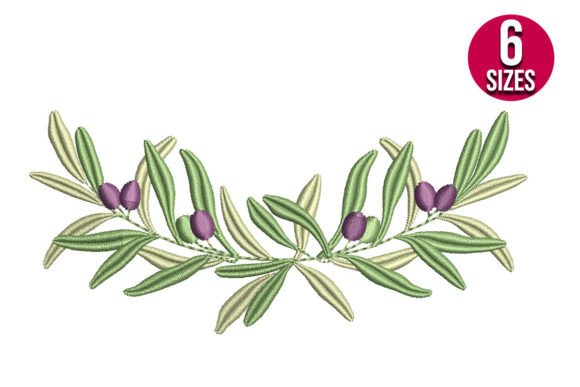
The first thing that strikes you about Olive Branch is its refined aesthetic. The description highlights delicate curves and shades of green and brown, which immediately suggests a natural, organic vibe. In the world of brand identity, this is gold. We are moving away from loud, aggressive logos toward softer, more approachable visuals. This design feels premium yet grounded. It does not scream for attention; instead, it invites a closer look. For a handmade brand or a boutique, this subtle sophistication can elevate the perceived value of your finished product significantly.
However, "intricate details" is a double-edged sword in embroidery. While beautiful, complexity requires precision. My initial assessment is that this design leans towards the classic and decorative side. It is not minimalist, but it is not overly busy either. It sits in a sweet spot that works well for businesses wanting to convey trust, growth, and quality—think florists, bakeries, eco-friendly studios, or high-end cafés.
Real-World Applications for Small Business Merch
Where does Olive Branch actually shine in a commercial setting? I tested the concept across several common merchandise items to see how it holds up.
- Embroidered Patches: This is perhaps the strongest use case. An olive branch makes for a stunning iron-on or sew-on patch. Because it is a border-style element, it can frame text or stand alone as a badge of quality. For a local coffee shop, a patch on a canvas tote bag featuring this branch adds an artisanal touch that customers love to display.
- Staff Uniforms and Aprons: Imagine a linen apron for a bakery or a floral shop. Placing the Olive Branch on the chest pocket or along the hem creates a cohesive look. It signals professionalism without being corporate. The earthy thread colors blend beautifully with natural fabrics like cotton, linen, and canvas.
- Cap Embroidery: Caps are tricky due to the curved surface. If the design is scaled correctly, placing a simplified version of the branch on the side panel or above the brim can look very chic. However, you must be cautious with the "intricate details" on a curved cap front, as distortion can occur.
- Tote Bag Design: For retail packaging or customer gifts, a large-scale stitch-out on a heavy-duty tote bag serves as both branding and a functional item. The graceful curves of the branch allow it to flow nicely across the flat surface of a bag.
Navigating Technical Challenges
While the visual appeal is high, we must address the technical realities of stitching this design. The product description mentions "intricate details," which raises flags regarding stitch density and size limitations.
Size Matters: If you plan to use this as a small chest logo on a polo shirt, you need to verify the minimum stitch length. Tiny leaves and thin stems can break or look like blobs if the design is scaled down too far. Always check the recommended hoop size and minimum dimensions provided with the embroidery file. If these details are not explicitly stated in the download, proceed with caution.
Fabric Texture and Stabilizer: The success of Olive Branch depends heavily on your choice of stabilizer. On textured fabrics like terrycloth or heavy denim, fine details can get lost. I recommend using a cut-away stabilizer for garments that will undergo frequent washing, such as staff uniforms. For one-off decorative items like wall hangings or tote bags, a tear-away might suffice, but test it first. The contrast between the green and brown thread colors must be sharp; if the fabric is too dark or too similar in tone to the threads, the design will vanish.
Curved Surfaces: As mentioned, cap embroidery requires careful hooping. The graceful curves of the branch must align with the curve of the cap to avoid puckering. Digitizing plays a huge role here, but even a well-digitized file needs a skilled operator to pull it off cleanly on a curved surface.
Impact on Brand Identity and Customer Trust
Why choose Olive Branch over a generic icon? Because consistency builds trust. When a customer receives a package with a beautifully embroidered tag or buys a tote bag with this elegant motif, it reinforces the narrative of your brand. It says, "We care about details." This is crucial for small business merch where you are competing against mass-produced goods. The handmade quality of embroidery cannot be replicated by print, giving your custom apparel a tactile advantage.
Furthermore, using a nature-inspired design like this aligns your brand with values of sustainability and calm. For businesses in the wellness, food, or creative sectors, this visual language speaks directly to their target audience. It enhances buyer engagement because the product feels personal and crafted, not just manufactured.
Practical Designer Notes for Production
Before you commit to a large production run, follow these steps to ensure quality:
- Test in Black and White: Before threading up multiple colors, stitch a sample in black thread on white fabric. This helps you see the structure and spacing of the stitches without the distraction of color. It reveals if any areas are too dense or if gaps are too wide.
- Check Thread Color Contrast: The default greens and browns are lovely, but do they match your brand palette? Ensure there is enough contrast between the thread and the fabric. A dark green branch on a navy shirt might disappear.
- Create a Printable Mockup: Use design software to place the Olive Branch on photos of your actual products. This helps you visualize scale and placement before wasting thread and fabric.
- Verify Commercial Licensing: Always confirm the license terms of the digital embroidery file. Ensure you have the right to use it for commercial purposes, especially if you are selling the finished embroidered items.
- Compare with Other Design Assets: Place this design next to your existing logo and fonts. Does it complement them? Visual consistency is key to a professional brand identity.
Final Verdict
The Olive Branch embroidery design is a strong contender for businesses looking to add a touch of natural elegance to their merchandise. It is versatile enough for patches, aprons, and totes, provided you respect its technical limitations regarding size and fabric choice. It is not just a decorative element; it is a strategic tool for enhancing perceived value and connecting with customers on a tactile level. For the experienced decorator or the ambitious small business owner, this design offers a blend of classic beauty and modern relevance. Just remember to test, stabilize, and stitch with precision to let those intricate details truly shine.