Reviewing Mehndi Style Bird 1 for Real Projects
As a designer who spends more time staring at stitch simulations than actual fabric, I have learned that not every pretty picture translates into a clean embroidery project. When I first loaded the Mehndi Style Bird 1 design into my software, my initial reaction was one of cautious optimism. The preview looked stunning, capturing the delicate, lace-like quality of traditional henna art. But previews can be deceiving. I needed to know if this machine embroidery design would hold up under the needle, especially when applied to real-world items for clients or my own small shop.
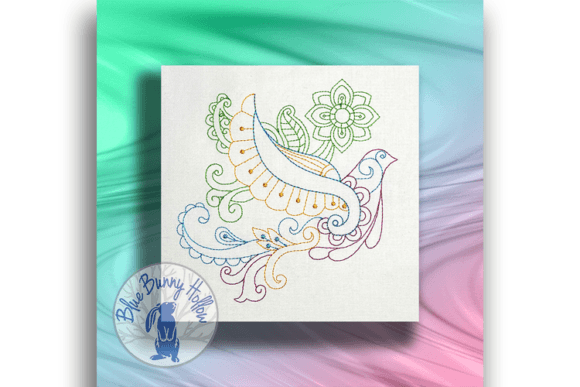
The design falls squarely into the Birds category, but it is far from a standard realistic depiction. It relies on intricate line work and negative space, mimicking the flowing patterns of Mehndi. This stylistic choice is brilliant for visual appeal but presents specific challenges for Embroidery execution. Here is my breakdown of how this design performs in a practical setting, based on my recent test runs.
The Aesthetic Impact and First Impressions
The mood of Mehndi Style Bird 1 is elegant, cultural, and slightly bohemian. It does not scream for attention with bold, blocky colors; instead, it invites closer inspection. For an Etsy seller or boutique owner, this is a significant advantage. Customers often perceive intricate, fine-line designs as higher value because they look difficult to produce. When stitched correctly, this design elevates a simple item into a personalized gift that feels bespoke and thoughtful.
I tested the visual personality of the design by placing it on various digital mockups. It shines brightest on items where the background is clean and uncluttered. On a busy patterned fabric, the fine lines of the bird get lost. However, on solid cotton or linen, the contrast allows the "henna" style details to pop. This makes it an excellent candidate for tote bag design projects or minimalist custom apparel where the embroidery is the focal point.
Real-World Application: The Tote Bag Test
To truly evaluate the design, I moved beyond the screen and prepared a custom embroidered tote bag. This is a common request for craft business owners, especially during wedding seasons or for boutique merchandise. I chose a medium-weight canvas fabric, which provided a stable base for the intricate details.
The stitching process revealed the true nature of the embroidery file. The design utilizes a mix of running stitch for the finer outlines and subtle fill stitch areas for depth. Because Mehndi art is essentially line-based, the design avoids heavy saturation, which is a relief for production time. However, this also means that any tension issues in your machine will be immediately visible. There is no dense padding to hide slight imperfections.
The result on the tote was crisp and professional. The bird appeared light and airy, not stiff. For a small shop product, this is ideal because it maintains the drape and feel of the fabric. A heavy, dense design would have made the bag feel rigid, but Mehndi Style Bird 1 respects the material. It is also a strong contender for sweatshirt embroidery, provided you use the right stabilizer to prevent the knit fabric from distorting the fine lines.
Fabric Choices and Technical Considerations
While the design is versatile, it is not universal. My testing highlighted several scenarios where you must proceed with caution.
- Fabric Texture: Avoid highly textured fabrics like thick wool or bouclé. The fine lines of the Mehndi style will get swallowed by the texture, resulting in a muddy appearance. Smooth cottons, linens, and tight-weave polyesters are your best friends here.
- Stretchy Materials: If you are applying this to baby embroidery items like onesies, stabilization is non-negotiable. The intricate curves of the bird’s wings and tail require a stable surface. Without a cut-away stabilizer, the design may pucker after washing.
- Dark Fabrics: The design relies on contrast. On dark fabric, you must ensure your thread colors are vibrant and opaque. A pastel thread on black fabric might look washed out. I recommend testing a sample patch to check visibility before committing to a full production run.
- Curved Surfaces: Applying this to caps or hats requires careful hooping. The detailed corners of the Mehndi patterns can distort if the fabric shifts even slightly during stitching. Use a strong adhesive stabilizer to keep the material locked in place.
Enhancing Product Value and Brand Consistency
For commercial embroidery professionals, consistency is key. Mehndi Style Bird 1 offers a distinct visual signature that can help build brand recognition. If you specialize in boho-chic or culturally inspired goods, this design fits seamlessly into a cohesive collection. It pairs well with other floral or mandala-style elements, allowing you to create coordinated design assets for your store.
The perceived value of the finished product increases with the complexity of the design. Customers appreciate the effort involved in stitching such detailed line work. This can justify a higher price point for holiday embroidery gifts or wedding favors. Furthermore, the timeless nature of the bird motif ensures that the product does not feel trendy or dated quickly, offering better long-term appeal for your inventory.
Practical Designer Notes for Best Results
Before you sell or gift items made with this design, consider these practical steps to ensure quality:
- Test on Scrap Fabric: Always stitch a sample on the exact fabric you plan to use. Check for thread breaks or nesting, especially in the tighter curves of the bird’s body.
- Check Stitch Density: Review the density settings in your software. If the design feels too sparse on your fabric, you might need to adjust the underlay or add a light fill to support the top stitches, though this should be done cautiously to maintain the Mehndi aesthetic.
- Contrast is King: Ensure your thread color contrasts sharply with the fabric. A monochromatic look can be sophisticated, but it requires perfect lighting and high-quality thread sheen to be effective.
- Verify Licensing: If you are an Etsy seller or run a small shop product line, confirm the license terms for the digital embroidery file. Ensure you have the rights to sell finished items commercially.
- Mockup Testing: Create printable mockup images in both light and dark backgrounds to see how the design translates digitally for your online listings. This helps customers visualize the final product accurately.
In conclusion, Mehndi Style Bird 1 is a sophisticated addition to any designer’s library. It is not a plug-and-play design for every situation, but when matched with the right fabric and proper stabilization, it produces stunning, high-value results. It is particularly effective for appliqué design alternatives where you want detail without bulk, or as a standalone feature on embroidered patch creations. For those willing to pay attention to the technical details, this design offers a beautiful blend of tradition and modern craft.