Reviewing Quiltblock Patterns 3.8“ 98 Mm for Real Projects
As a designer who spends more time staring at stitch simulations than actual fabric, I have learned to be skeptical of digital previews. A design can look crisp on a high-resolution monitor but turn into a tangled mess of thread breaks and puckering once it hits the needle. When I first loaded the Quiltblock Patterns 3.8“ 98 Mm set into my software, I was looking for more than just aesthetic appeal. I needed to know if these files could hold up in a commercial environment. Specifically, I wanted to see if they could elevate a simple handmade product into something that feels boutique-quality.
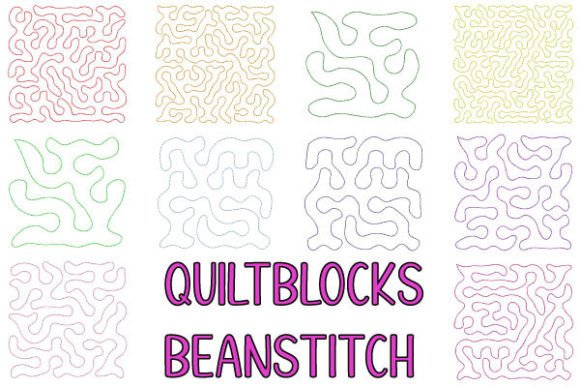
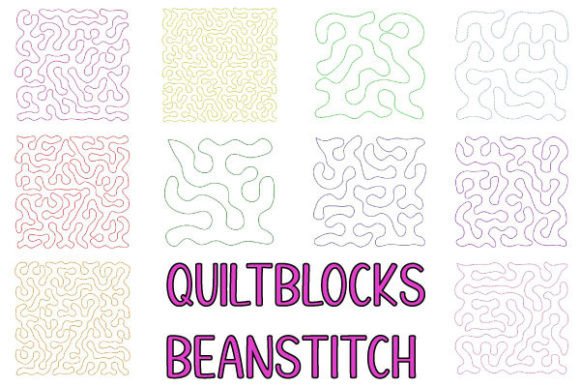
The first impression is one of structured nostalgia. These are not chaotic or overly modern abstract shapes; they are rooted in the traditional geometry of quilting. However, translating quilt blocks into machine embroidery design formats requires a different mindset. Quilting relies on pieced fabric, while embroidery relies on thread density and direction. This set bridges that gap effectively. The use of the triple bean stitch technique, as noted in the description, is a critical detail. For those unfamiliar, this technique involves stitching the same line three times to create a thicker, rope-like effect. It adds significant depth and durability, which is essential for items that will be handled frequently.
The Real-World Test: A Custom Tote Bag Scenario
To truly evaluate the Quiltblock Patterns 3.8“ 98 Mm, I decided to simulate a common client request: a customized canvas tote bag for a local farmer’s market vendor. The client wanted branding that felt rustic yet professional. I selected one of the geometric block designs from the set to place on the lower corner of a heavy-weight cotton canvas.
The 3.8-inch (98 mm) size is a sweet spot for this application. It is large enough to be noticed but small enough to remain subtle and sophisticated. During the stitching process, the triple bean stitch performed admirably. Unlike a standard satin stitch column, which can sometimes sink into thick canvas, the bean stitch sat on top of the fabric texture, creating a tactile relief that customers love to touch. This textural element increases the perceived value of the finished product. It signals that care was taken in the creation process, moving the item away from mass-produced vibes and firmly into the realm of artisanal craft.
However, the choice of thread colors was pivotal. Because the design relies on linear geometry rather than solid fill stitch areas, contrast is key. I tested a cream thread on natural canvas, and while elegant, it lacked definition. Switching to a deep charcoal gray provided the necessary pop, making the intricate lines of the quilt block clear and readable from a distance. This is a crucial lesson for any Etsy seller or small shop product creator: always test your embroidery file on the actual fabric you intend to sell. What looks good in a printable mockup may disappear in real life if the contrast is too low.
Versatility Across Product Lines
Beyond tote bags, these designs show remarkable versatility. I envision them working exceptionally well for sweatshirt embroidery. Placed on the left chest of a heavyweight fleece hoodie, a single quilt block acts as a minimalist logo. It is understated yet distinctive. For baby embroidery projects, such as burp cloths or blanket corners, the softness of the bean stitch is advantageous. It avoids the scratchy feel that dense satin stitches can sometimes have against sensitive skin. Just ensure you use a soft, cut-away stabilizer to support the fabric without adding stiffness.
For commercial embroidery users, these assets are valuable for creating cohesive collections. You can mix and match the ten different blocks to create a series of coordinated items. Imagine a kitchen set featuring embroidered tea towels, aprons, and pot holders, each featuring a different block from the set but stitched in the same color palette. This kind of brand consistency helps build recognition and trust with buyers. It transforms individual items into a curated collection, encouraging larger basket sizes in your craft business.
Technical Considerations and Potential Pitfalls
While the designs are robust, they are not without their technical demands. The triple bean stitch, while durable, does increase stitch count and production time compared to a simple running stitch. If you are pricing your items based on stitch count, factor this in. Additionally, because the design is essentially a network of lines, registration is critical. If your machine is not perfectly calibrated, the parallel lines of the bean stitch might drift, causing the design to look sloppy. Always run a test on scrap fabric before committing to final goods.
Fabric choice also dictates success. These designs thrive on stable, woven fabrics like cotton, linen, and canvas. They are less ideal for highly stretchy knits unless properly stabilized. On thin or slippery fabrics, the density of the triple stitch might cause puckering. In such cases, using a water-soluble topping can help keep the stitches flat and prevent them from sinking into the nap of the fabric. For curved surfaces like caps, the 98 mm width might be too wide for the front panel depending on the cap's structure. Measure your hoop area carefully. A distorted quilt block loses its geometric charm instantly.
Another consideration is the background. Since these are categorized under Backgrounds in some contexts, remember that they are self-contained motifs. They do not necessarily need a filled background to work. In fact, leaving the fabric exposed between the lines enhances the airy, open feel of the design. This makes them excellent for applique design overlays if you choose to combine them with fabric patches, though they stand strongly on their own.
Commercial Use and Final Verdict
For digital product sellers and creative entrepreneurs, the licensing terms are paramount. Before selling any personalized gift or custom apparel featuring these designs, confirm the license included with the purchase. Most designers allow for physical end products but restrict the resale of the digital file itself. Respect intellectual property to maintain professionalism in the community.
In terms of visual appeal, Quiltblock Patterns 3.8“ 98 Mm delivers a clean, classic look that transcends trends. It does not scream for attention but invites closer inspection. This subtlety is a powerful tool in marketing. It suggests quality and thoughtfulness. Whether you are creating holiday embroidery gifts or everyday wear, these designs add a layer of sophistication.
My advice to fellow makers is to treat these files as foundational elements. Experiment with scale, though be mindful of the minimum detail size. Play with monochromatic thread schemes for a modern twist, or use contrasting colors for a traditional folk-art vibe. Check your hoop size compatibility, ensure your needles are fresh to handle the repeated penetration of the bean stitch, and always prioritize high-quality threads to showcase the texture.
Ultimately, this set is a reliable addition to any serious embroiderer’s library. It solves the problem of finding geometric designs that are both visually interesting and technically sound. By understanding how the triple bean stitch interacts with different fabrics and products, you can leverage these designs to create higher-value items that resonate with customers looking for authenticity and craftsmanship in their handmade goods.