Reviewing the Worm Embroidery Design for Real Projects
As a designer who spends more time staring at stitch maps than actual fabric, I have learned that the difference between a cute digital preview and a successful finished product lies in the details. When I first loaded the Worm embroidery design into my software, I was looking for more than just an adorable bug. I was evaluating its potential as a reliable asset for my craft business and client projects. Whether you are an Etsy seller, a boutique owner, or a hobbyist making personalized gifts, understanding how a design behaves under the needle is crucial.
First Impressions: Charm Meets Technical Viability
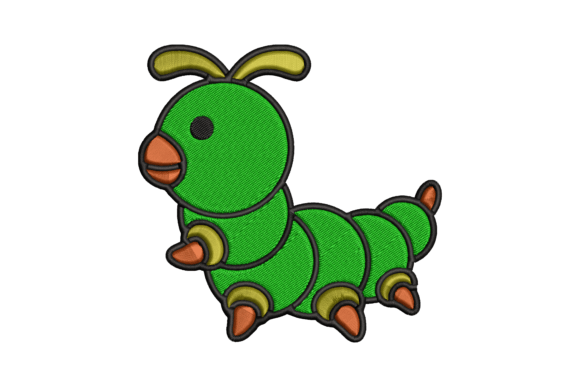
The initial visual appeal of the Worm design is undeniable. It possesses an intricate charm that fits perfectly within the Bugs category, yet it avoids the cluttered look that often plagues smaller insect motifs. The layout feels balanced, with a personality that leans toward whimsical rather than realistic. For a designer, this is a significant advantage. A whimsical style allows for slightly more flexibility in stitching without losing the intended character if a thread breaks or a tension adjustment is needed.
The mood created by this piece is lighthearted and approachable. It does not scream for attention with aggressive colors or overly complex shading. Instead, it invites a closer look. This subtle confidence makes it an excellent candidate for products where the embroidery is meant to complement the item rather than dominate it. I immediately envisioned this working well on soft, textured fabrics where the tactile nature of the stitches could enhance the worm’s playful form.
Real-World Application: From Tote Bags to Baby Clothes
To truly test the value of any machine embroidery design, you must imagine it in a real-life scenario. I recently considered using Worm for a custom order involving a set of organic cotton tote bags. The goal was to create a small shop product that felt handmade but professional. The design’s scale appeared ideal for a pocket placement or a centered chest position on apparel.
For sweatshirt embroidery, the design holds up well because its lines are distinct. When scaled down for baby embroidery on onesies or bibs, the simplicity ensures that the details do not get lost in the fabric pile. This versatility is rare. Many designs look great at four inches but become a muddy mess at two inches. Worm seems to maintain its clarity, which is essential for creating high-value personalized gifts.
I also see strong potential for this design in holiday embroidery projects. Imagine it stitched onto a linen tea towel for a spring-themed kitchen set or as part of a larger nature-inspired collection on a pillow cover. The adaptability of the theme means it is not limited to a single season, increasing its longevity in your design assets library.
Stitching Performance and Fabric Considerations
While the aesthetic is charming, the technical execution requires careful planning. The description mentions intricate details, which usually implies a mix of satin stitch borders and fill stitch interiors. In my experience, this combination creates a beautiful texture contrast, but it demands respect for stitch density. If you are working with thin fabric or stretchy material, such as a lightweight t-shirt or a jersey cap, proper stabilization is non-negotiable.
Using the correct stabilizer will prevent puckering, especially around the curved edges of the worm’s body. I recommend testing the design on scrap fabric that matches your final project material. This step allows you to check thread color contrast and ensure that the stitch density does not distort the garment. For dark fabrics, consider using an underlay or adjusting your thread colors to ensure the design pops without requiring excessive coverage that could stiffen the fabric.
Curved surfaces, like caps or rounded pillow corners, present another challenge. The Worm design should be hooped carefully to avoid shifting. If the design includes tiny lettering or very fine running stitch details, inspect them closely in your software before stitching. Sometimes, what looks crisp on screen can get lost in the nap of a fleece blanket or the weave of a canvas tote bag design.
Commercial Value and Brand Consistency
For commercial embroidery and small business owners, consistency is key. A design like Worm contributes to brand recognition when used repeatedly across different products. It signals a thoughtful curation of design assets that prioritize quality over quantity. Customers trust handmade products that look professional, and a clean, well-digitized embroidery file is the foundation of that trust.
When creating printable mockups or digital product previews for your Etsy listings, this design offers a clear focal point. It photographs well because the shapes are defined. This visual clarity translates to better buyer engagement online. Whether you are selling the finished product or using it as part of a larger applique design composition, the worm adds a layer of narrative and charm that elevates the perceived value of the item.
Practical Designer Notes for Best Results
Before you commit to stitching this on a client’s expensive garment, take a moment to review the technical specifics. Since the product description does not provide exact stitch counts, file formats, or specific hoop size requirements, you must verify these details in your embroidery software. Confirm that the digital embroidery file format is compatible with your machine.
- Test on Scraps: Always run a test stitch-out on similar fabric to check for registration issues.
- Check Thread Colors: Ensure your thread palette provides enough contrast to highlight the intricate details mentioned in the description.
- Review Stitch Density: Look for areas where stitches might overlap too much, which can cause thread breaks or fabric stiffness.
- Confirm Licensing: If you plan to sell finished items or use this in commercial projects, double-check the license terms provided with the download.
- Mockup Variations: Test the design in black and white to ensure the shape remains recognizable even without color cues.
In conclusion, the Worm embroidery design is a versatile and charming addition to any designer’s toolkit. It bridges the gap between playful aesthetics and practical application, making it suitable for a wide range of projects from custom apparel to home decor. By approaching it with a critical eye for technical detail and fabric compatibility, you can ensure that every finished product meets the high standards your customers expect. It is not just about stitching a bug; it is about creating a memorable, high-quality handmade product that stands out in a crowded market.